LELPGC25 was held from 4th to 6th June 2025 at the University of Edinburgh. The conference provided a supportive and intellectually rich space for masters and PhD students in linguistics to share their work, develop professionally, and connect with others in the field. The programme featured plenary talks by Nadine Dietrich, Itamar Kastner, Tamar Keren-Portnoy, Dan Lassiter, and Marieke Meelen. These talks addressed a wide range of linguistic topics, from syntax and semantics to phonological development, and linguistic pedagogy.
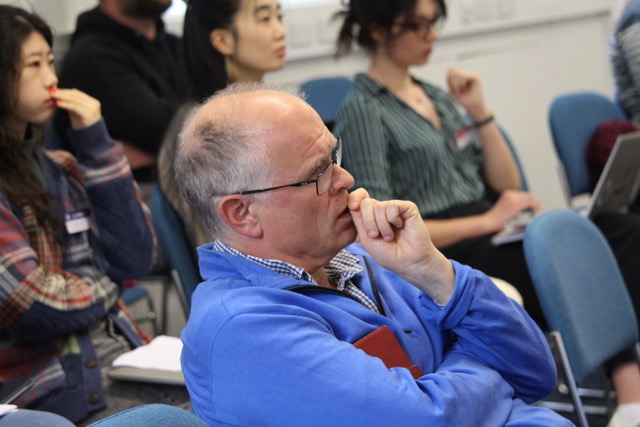
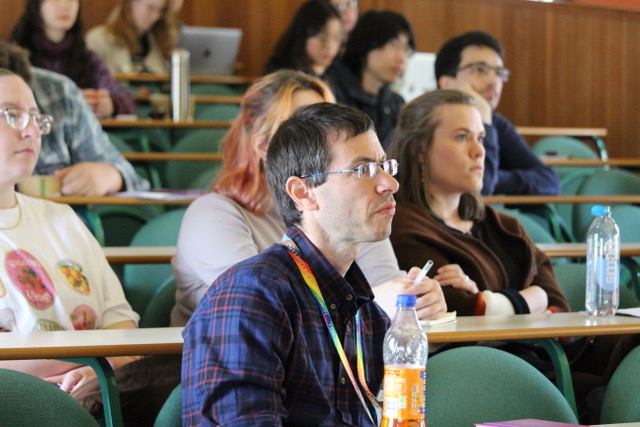
The conference hosted student talks and posters, with broad range of subfields represented including psycholinguistics, phonology, historical linguistics, and computational linguistics. These sessions allowed students to engage with cutting-edge research and receive valuable feedback from both peers and more experienced scholars. A key aim of the LELPGC is to foster cross-subfield dialogue, and the variety of sessions helped ensure that participants could engage with ideas beyond their own specialisations, contributing to a more integrated and dynamic research environment. The LELPGC, which has been held annually since 1994, continues to serve as a key opportunity for students to present research in a constructive environment and build connections across institutions and research traditions.
In order to provide attendees with a range of development opportunities we hosted four workshops. Kenny Smith’s session on experimental design provided students with an introduction to key skills in experimental linguistics. The other workshops focused on career development with Anne Mucha discussing the ins and outs of postdoc applications, and current LEL PhD students leading panel discussions on making the most of your PhD and in conjunction with Chris Cummins, applying to PhDs.
Thanks to the generous support of the Philological Society, we were able to offer bursaries to five student presenters. The recipients included masters and PhD students from Universities in the UK and mainland Europe. The bursaries helped mitigate travel and accommodation costs. For many students, especially those travelling from outside the UK or lacking institutional funding, the financial support was a decisive factor in their ability to attend. The support made it possible for students to take part in both the academic and social dimensions of the event thus facilitating professional development and the creation of a postgraduate research community in Linguistics.
We are sincerely grateful to the Philological Society for their contribution to LELPGC25. Their support helped to ensure that the conference remained inclusive and accessible, enabling broader participation and supporting the development of the next generation of researchers in linguistics.
 The Philological Society Blog